About WPTO
A Malawian organisation led by and for its community
Women Palm Tree Organisation (WPTO) was formed in 2020 and is registered in Malawi. We are based in Dowa District, at Dzaleka Refugee Camp.
Who we are
We work with the households closest to the problem
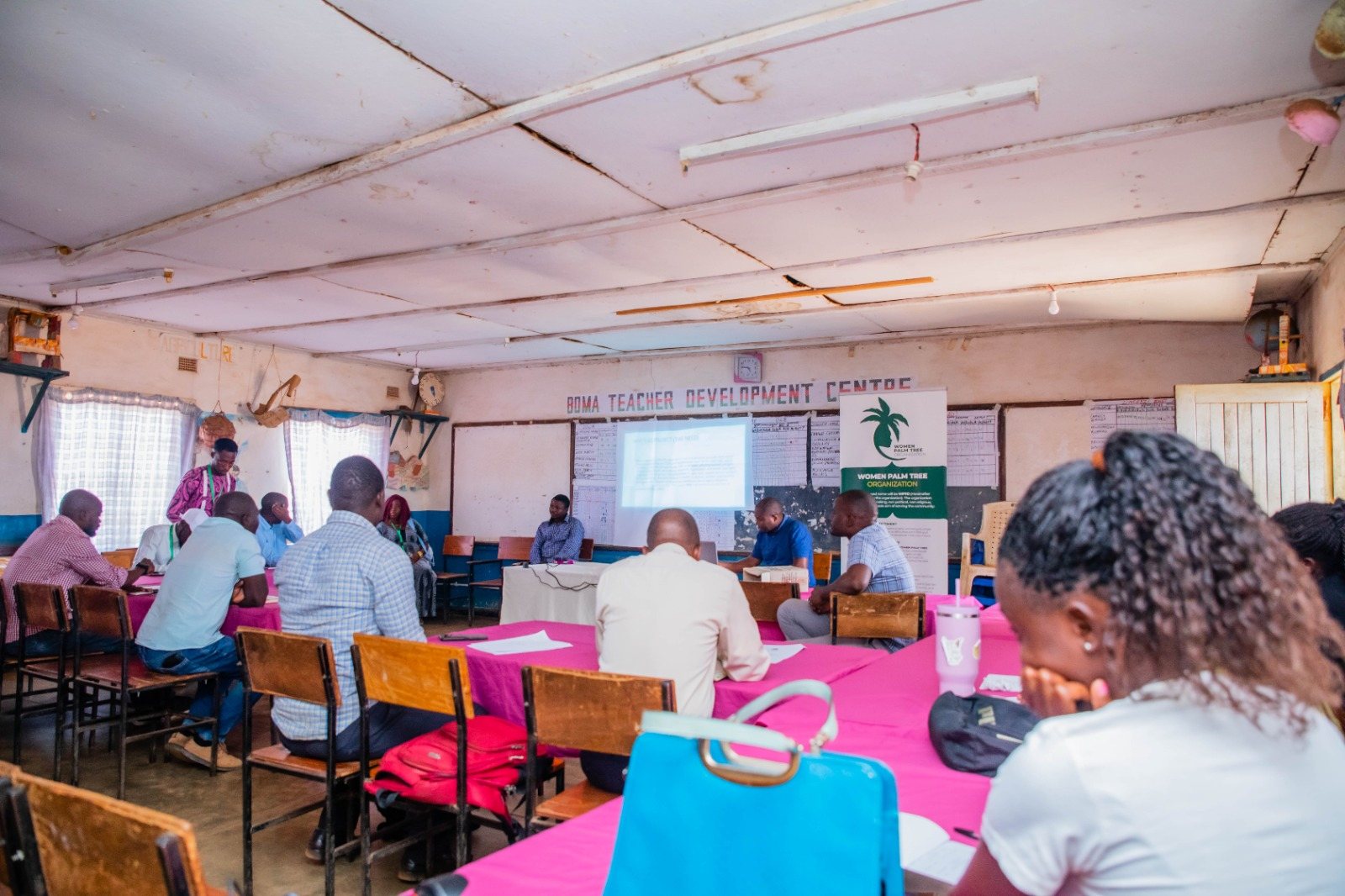
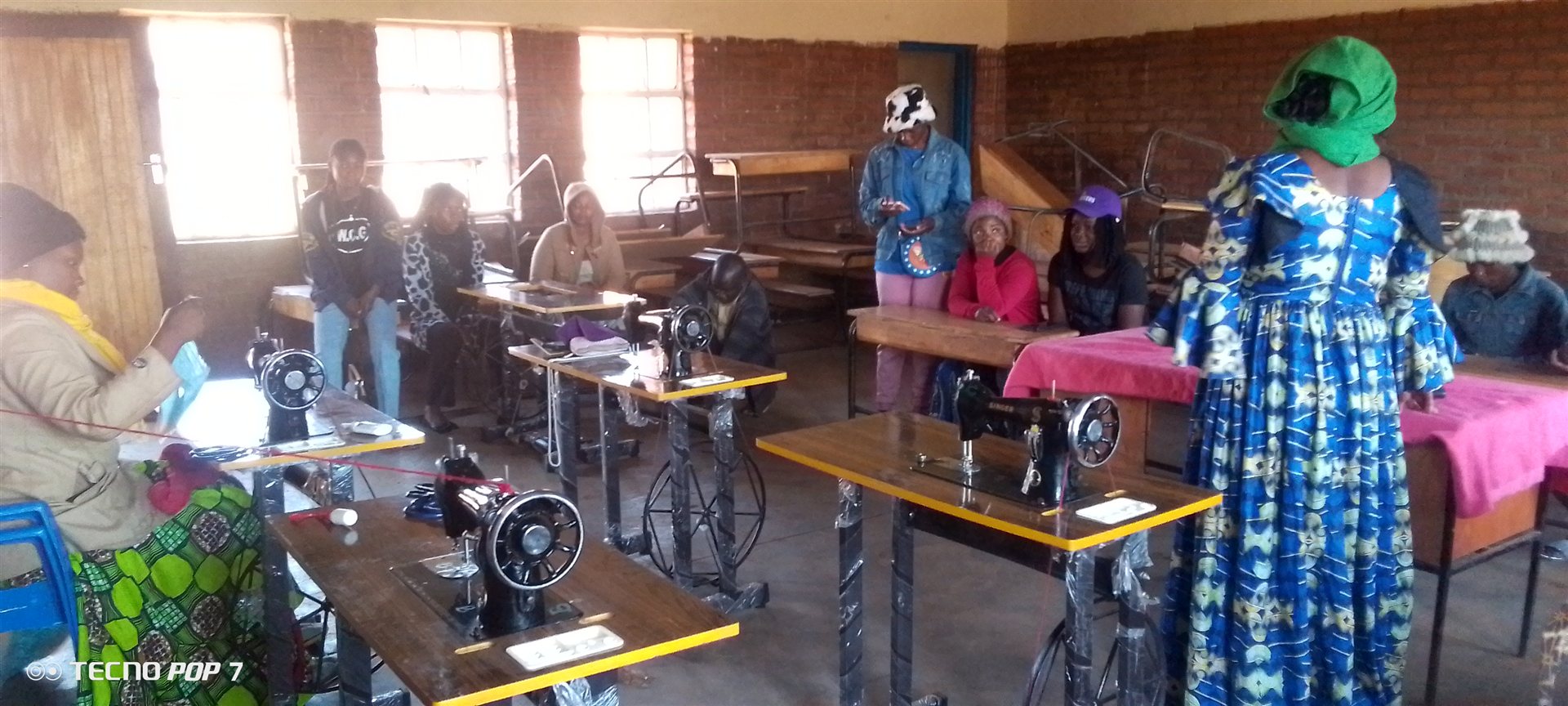
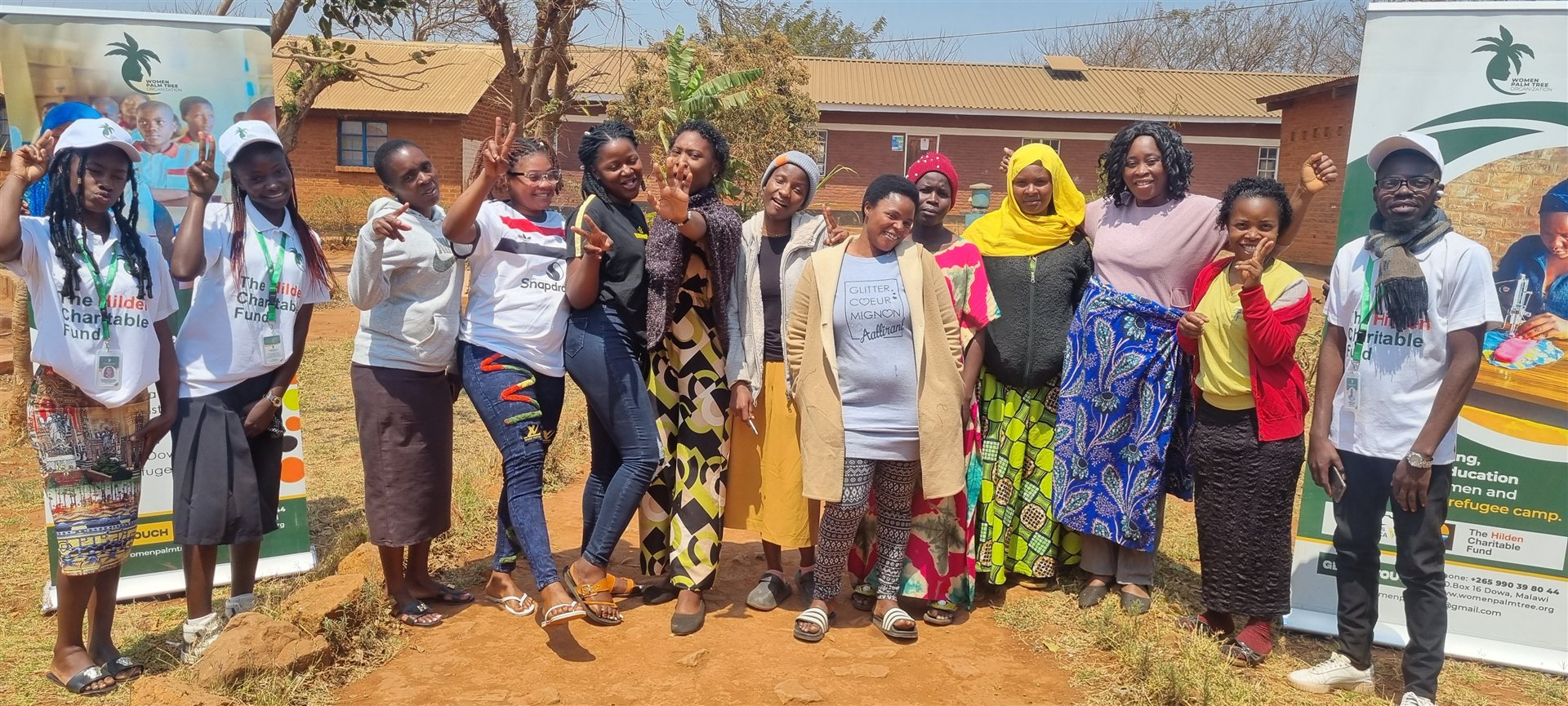
WPTO works with women, single mothers, widows, youth, children, refugees and vulnerable households. Many of the people we work with are farmers and small traders. They know what their households need. Our role is to bring training, tools, partnerships and market links so their plans can work.
Our focus areas are rural livelihoods, agriculture, food and nutrition security, climate resilience, skills development, and access to finance and markets. Our work is aligned with SDG 2 (Zero Hunger) and SDG 17 (Partnerships for the Goals), and with Malawi's development priorities.
Vision
Mission
Where we work
Why WPTO was formed
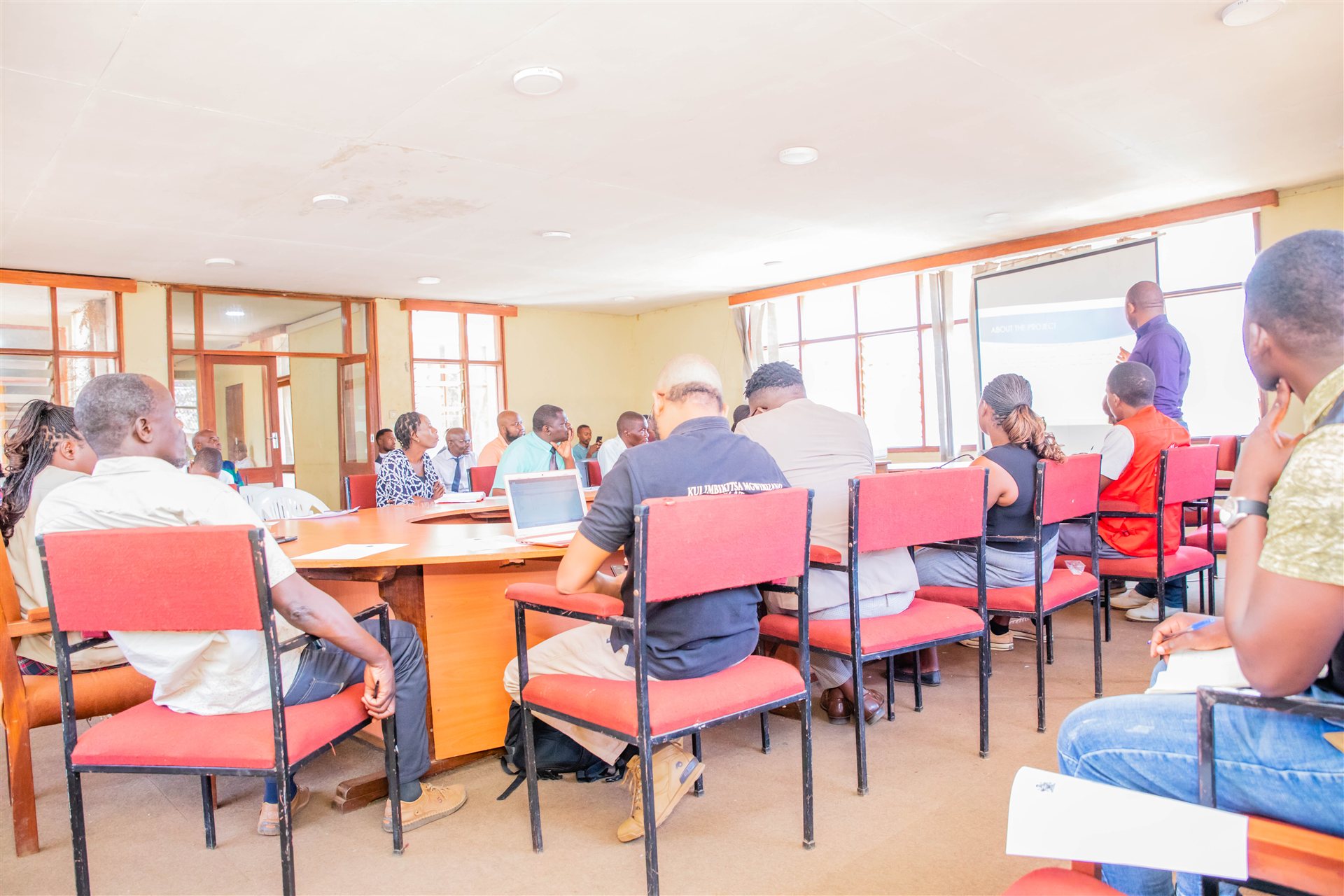
Our approach
Formed in 2020 by the women already doing the work
WPTO exists so that community effort in Dowa and at Dzaleka is organised, funded and led locally.
Our values
What we hold to in every project
Dignity
We treat every person as a partner, not a case. People decide for themselves.
Community leadership
Local groups plan, run and own the work.
Honesty
We report what happened, including what did not work.
Inclusion
Refugees and host communities take part on equal terms.
Practical results
We aim for food on the table and income in the household.
Long view
We build for the next dry season, not only for this one.
Work with us
If our approach fits your priorities, we would like to talk. Support a programme, share technical expertise, or visit our work in Dowa.